England runs on sticks
For centuries, English government finance depended partly on notched pieces of wood. The system was inexpensive, difficult to alter neatly and legible to people who did not need to read—qualities now described as an unusually robust user experience.

A contract you can whittle
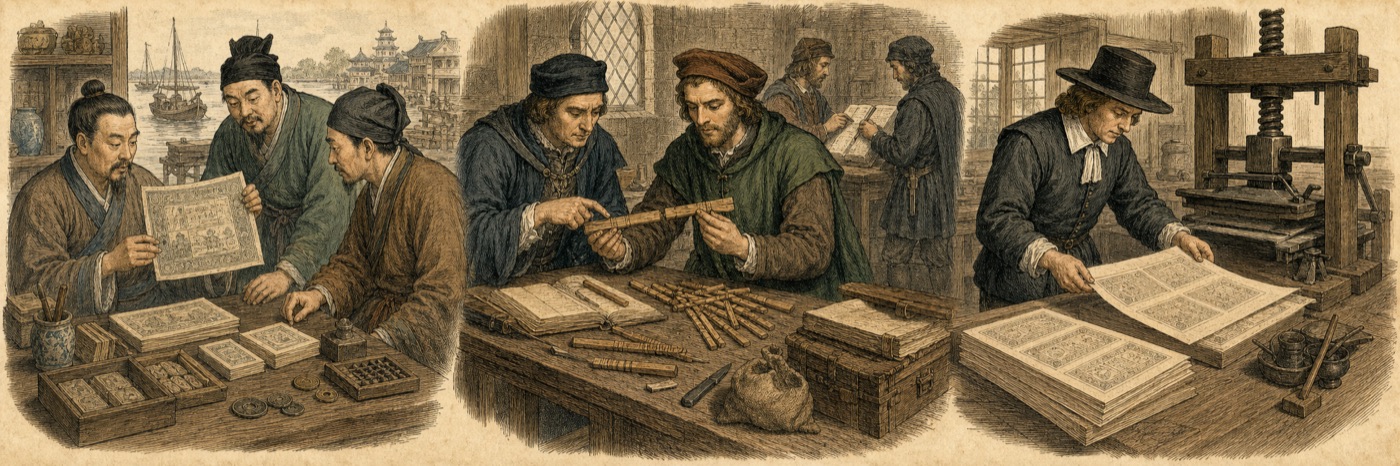
A tally stick recorded an amount through a pattern of notches. The stick was then split lengthwise so both halves preserved the same marks. One portion—the stock—was generally held by the creditor; the matching foil remained with the debtor or issuing authority.
Because the grain and notches matched, substituting an altered half was difficult. The technology used the uniqueness of wood as a security feature. It was a physical record, a receipt and a verification system in one conveniently combustible package.
From record to instrument
Tallies were used for taxes, loans and government obligations. Some could be transferred, allowing the claim represented by the wood to circulate. That made them more than archival reminders: they could participate in payment and credit systems.
The Bank of England’s museum holds tallies from the early modern period and describes their place in the history of payments. Their long life demonstrates that financial technology does not need to look advanced. It needs participants who understand the rules and accept the evidence.
The institutional finding
Tally sticks separated a financial claim from coins without requiring paper, electricity or a customer-service chatbot. Their matching halves created mutual accountability. They also provided a final warning for all record-management systems: do not store centuries of financial history next to an enthusiastic furnace.
Sources & further reading
These references support the factual claims. The institutional conclusions remain the sole responsibility of our highly decorative committee.
- 01Bank of England Museum — Payments through time
Museum explanation of tally sticks and other payment technologies.
- 02Bank of England Museum — The Future of Money guide
Accessible exhibition guide describing tallies as financial records and transferable claims.